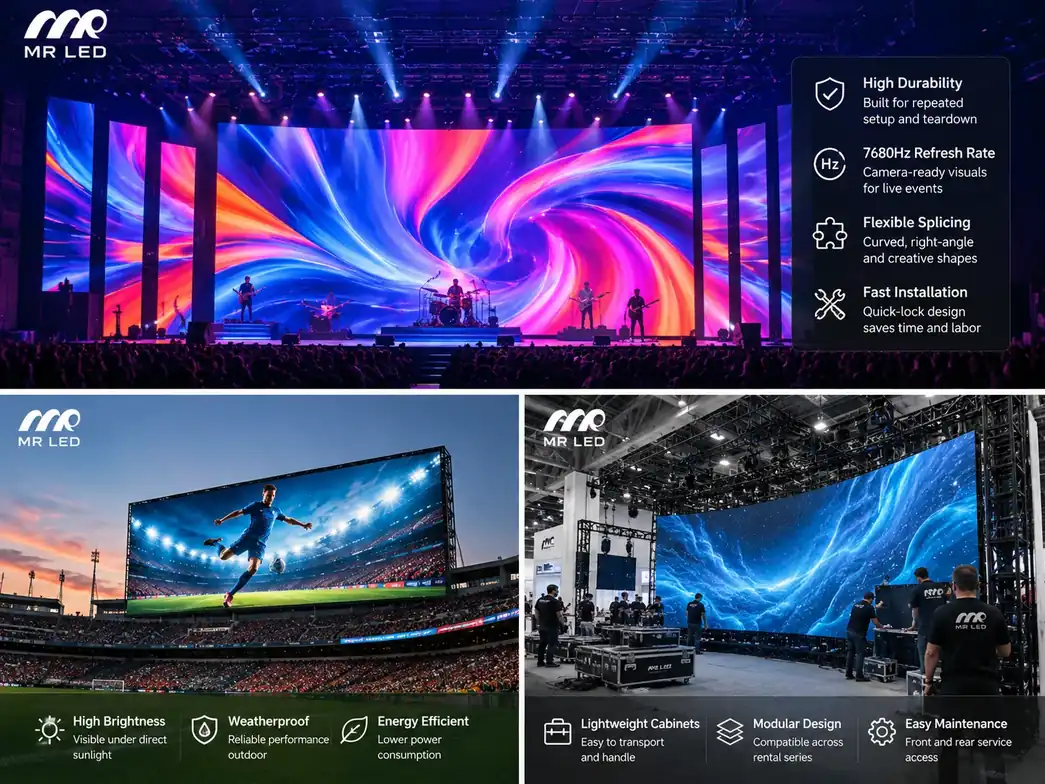
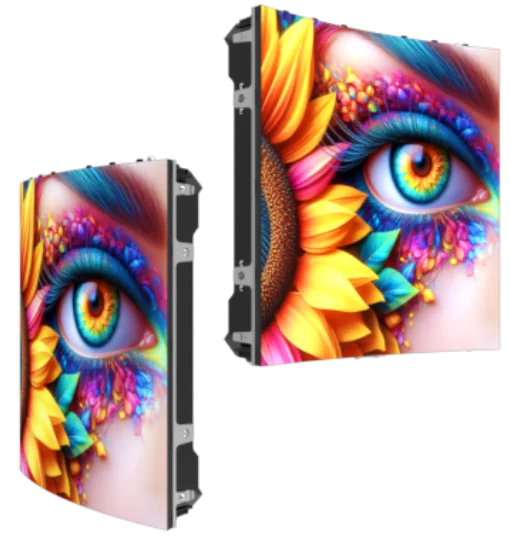
In recent years, global demand for display integration projects has continued to grow, especially in large venues and commercial environments where system stability and visual consistency are required. MR LED works with international clients to support such deployment needs across different regions. In many projects, a large LED display is selected to handle wide-area visual communication, while an LED display screen is often used to support structured content delivery in controlled environments. These applications require careful engineering planning rather than simple product selection. It is within this context that system coordination becomes a key consideration for project execution. Different site conditions also influence deployment planning.
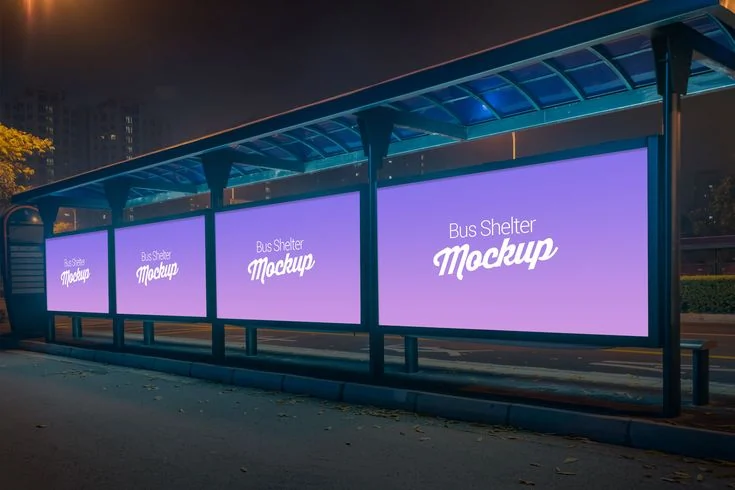
In large-scale deployment projects, coordination between design teams, manufacturing processes, and on-site installation is essential. We focus on supporting international partners through structured engineering communication and adaptable system design. Our company works closely with integrators and contractors to ensure that technical requirements are aligned before installation begins. This includes evaluating structural conditions, power distribution planning, and maintenance accessibility. For complex environments such as stadiums, transportation hubs, and commercial centers, multi-site coordination is often required to maintain consistency across different regions. We also emphasize documentation and pre-installation simulation to reduce uncertainty during execution. These steps help improve collaboration efficiency across different stakeholders involved in the project lifecycle. Overall, a structured approach supports smoother execution outcomes significantly.
When discussing system configuration, we often consider how different display modules perform in real operating environments. The FS-QQ Series is positioned for outdoor fine-pitch fixed installation applications, featuring structured assembly and stable visual performance for long-term use in commercial advertising, public display, and other permanent installation environments. In practice, a large LED display can be applied in control rooms and public information areas where wide viewing angles are needed. Meanwhile, an LED display screen is suitable for environments that require segmented content management and flexible layout adjustment. Our engineering team evaluates each project based on structural requirements and usage frequency, ensuring compatibility between hardware and control systems. This approach helps maintain operational consistency across different application scenarios without unnecessary complexity. Integration planning remains an important part of delivery preparation process.
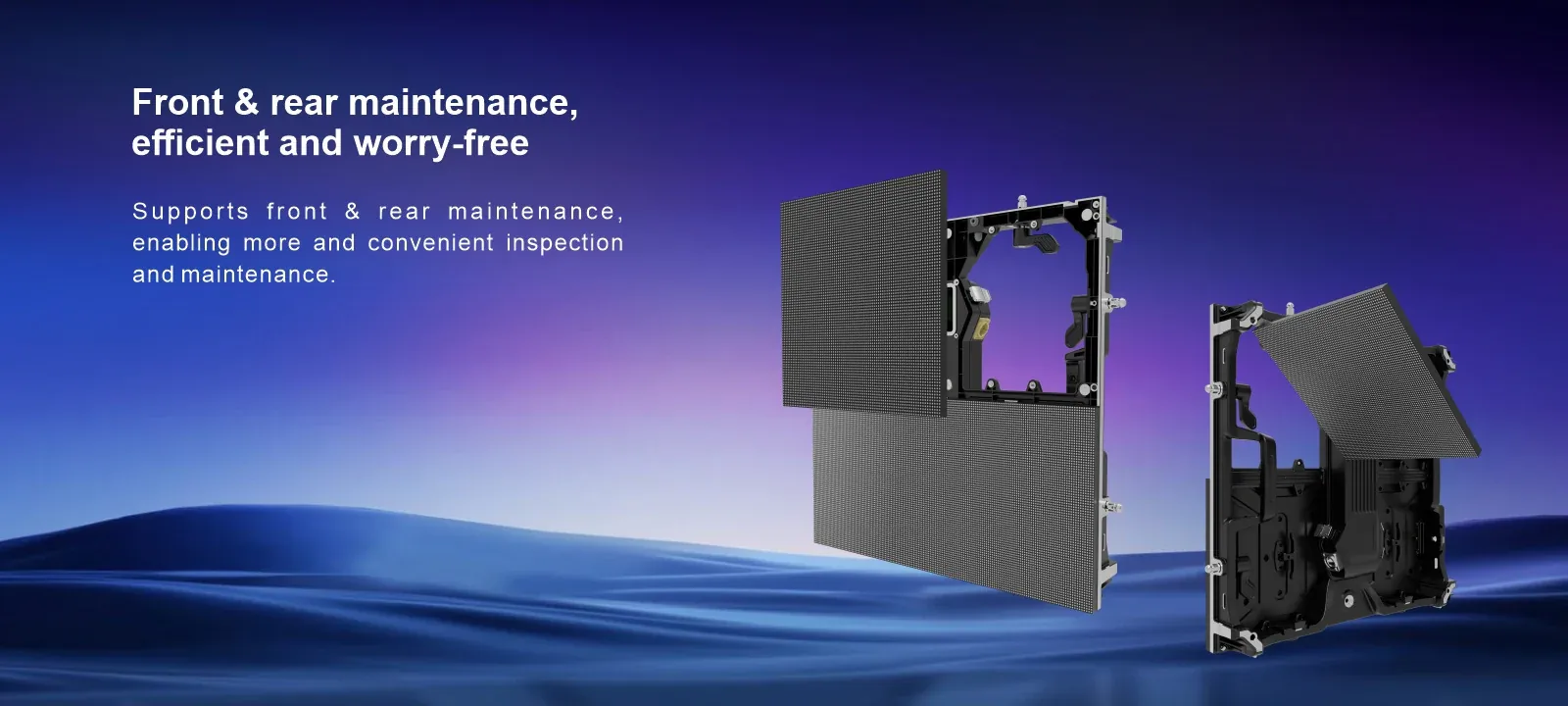
Across different regions, we observe that successful large-scale display installations at MR LED depend on coordination, engineering alignment, and practical system planning. Our experience shows that working closely with project stakeholders helps reduce uncertainty during execution stages. We focus on maintaining consistent communication from early design discussions to final installation support. This supports adaptation to different project environments while maintaining technical reliability, backed by a product portfolio that covers multiple LED display categories for diverse installation, performance, and application requirements. The FS-QQ Series is positioned for outdoor fine-pitch fixed installation applications, with cabinet dimensions of 500×500×91 mm, pixel pitch options of 1.5 / 1.9 / 2.3, brightness up to 5000 NIT, a 7680 Hz refresh rate, and a rear-maintenance structure designed for efficient long-term operation. In many cases, integration requirements vary based on site structure and usage purpose, so flexible system planning becomes essential. By combining engineering evaluation with structured workflow management, we support partners at MR LED in completing projects with predictable outcomes. This approach is especially relevant for international deployments where environmental and operational conditions differ significantly. Overall, the work emphasizes practical implementation, technical clarity, and coordinated execution planning rather than abstract concepts.