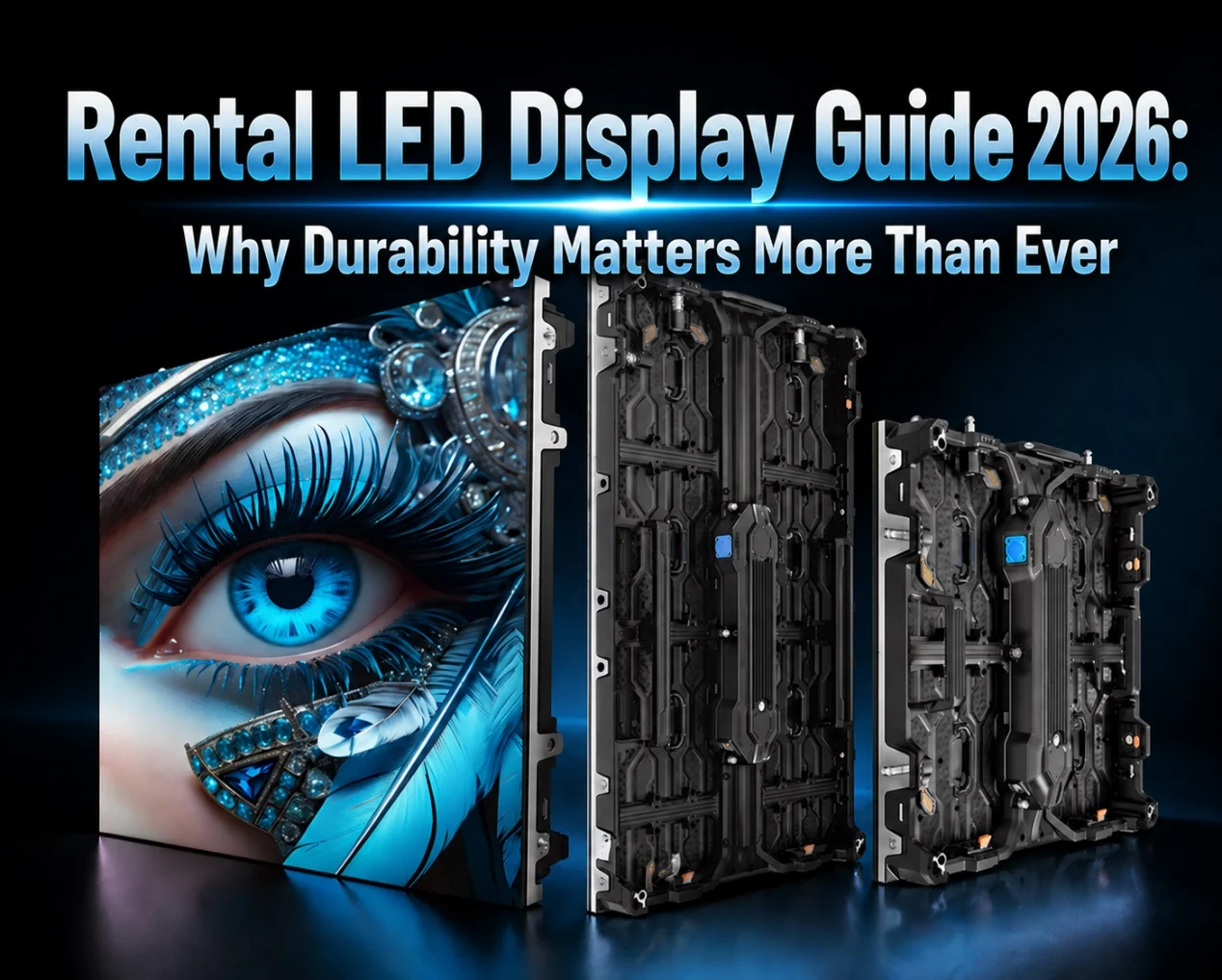
Rental LED Display Guide 2026: Why Durability Matters More Than Ever
A rental LED display plays a crucial role in modern events such as concerts, exhibitions, and touring productions. In 2026, the focus is shifting from resolution alone to durability, efficiency, and reliability, especially with the rise of high-frequency rental use and advanced technologies like IMD 2-in-1 LED.
This article explores the key challenges, technologies, and solutions shaping the future of rental LED display systems.
Why Do Rental LED Screens Often Get Damaged?
In high-frequency event environments, a rental LED display is constantly exposed to transport stress, rapid installation cycles, and repeated dismantling. Unlike fixed installations, these systems are designed for mobility—but that also makes them more vulnerable to physical wear.
In real-world use, several common problems frequently appear:
· Pixel damage during transportation and installation
· Structural wear caused by frequent assembly and disassembly
· Pixel loss due to repeated handling or insufficient protection
· Flickering, signal instability, or scan lines during live broadcasting
These issues are not just minor inconveniences. In live events—especially concerts or touring productions—any failure can directly affect the audience experience and even lead to costly downtime.
This is why improving the underlying LED packaging technology has become more important than simply improving handling procedures.
What Is IMD 2-in-1 LED Technology and Why It Matters?
One of the key solutions adopted in recent years is the IMD (Integrated Matrix Device) 2-in-1 LED screen technology, which is designed specifically for high-frequency rental use.
Unlike traditional SMD designs, where each LED chip is individually exposed, IMD integrates multiple chips into a single reinforced package. This reduces exposed contact points and makes the pixel structure more stable under physical stress.
In real rental environments, this translates into very practical benefits:
· Higher durability (stronger lamp structure)
· Superior anti-knock capability (reduced pixel damage)
· Better stability for frequent installation
· Improved visual consistency
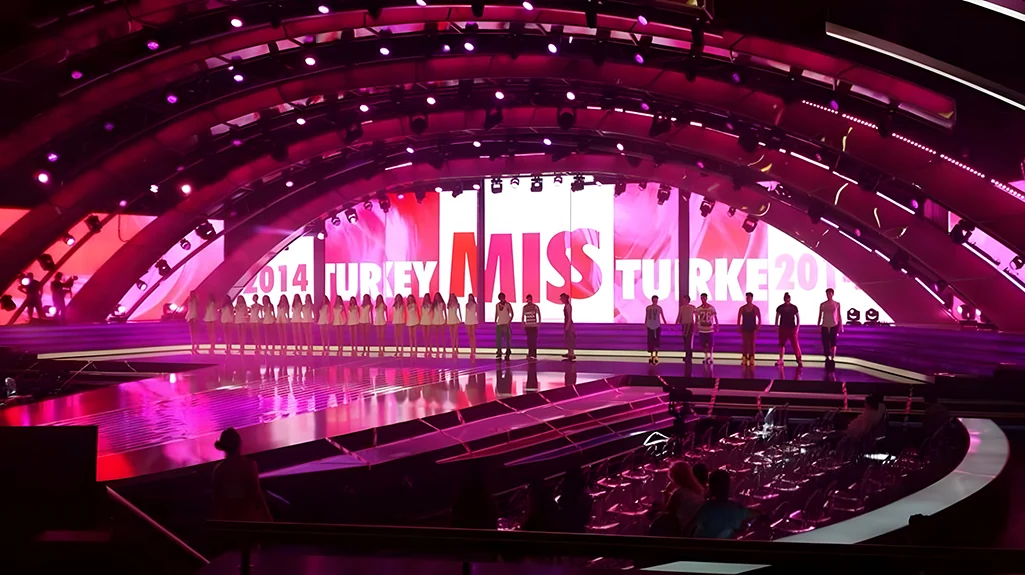
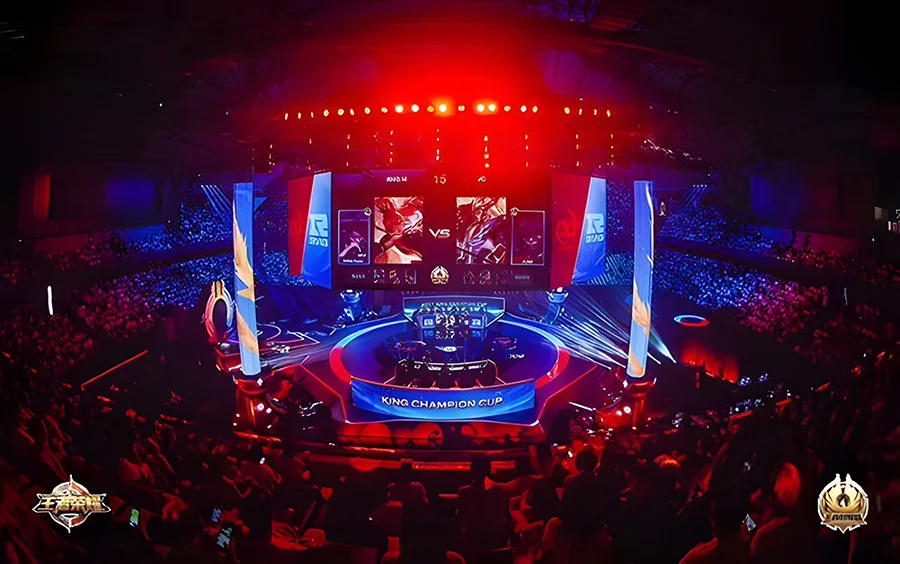
This is especially important for applications like an LED screen for concerts, where screens are constantly moved, stacked, and rebuilt across different venues.
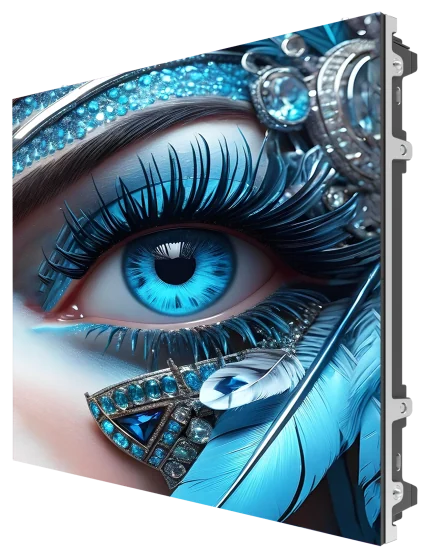
A good example is the RP Series rental LED display, which integrates IMD 2-in-1 LED technology to improve durability in real-world touring conditions, while still maintaining high visual performance for live production and broadcast use. It is widely used in concert staging and high-frequency rental events where reliability is critical.
By focusing on structural reliability rather than just resolution, IMD-based systems are becoming a more practical choice for demanding rental applications compared to conventional LED technologies.
SMD VS COB VS IMD LED: Which LED Technology Is Best for Rental?
When choosing a rental LED display, the key decision is not only about resolution or brightness, but also about how the screen performs under repeated transport, fast installation, and frequent dismantling. This is why understanding SMD VS COB VS IMD LED is essential for rental and stage applications.
Each technology is designed with different priorities, which directly affect how it behaves in real-world rental environments.
|
Technology
|
Advantages
|
Limitations
|
Best Use Case
|
|
SMD
|
l Cost-effective
l Mature
|
l Lower durability
|
l Standard events
|
|
COB
|
l Ultra protection
l Fine pitch
|
l Challenging
on-site maintenance
|
l Fixed
installations
|
|
IMD 2-in1
|
l Robust solder
joints
l High contrast
|
l Fixed pixel pitch
|
l Professional
touring & rental
|
In actual rental LED display operations, the biggest difference shows up after repeated usage cycles. SMD systems tend to show wear faster under constant handling, while COB offers protection but lacks flexibility when modules need on-site maintenance.
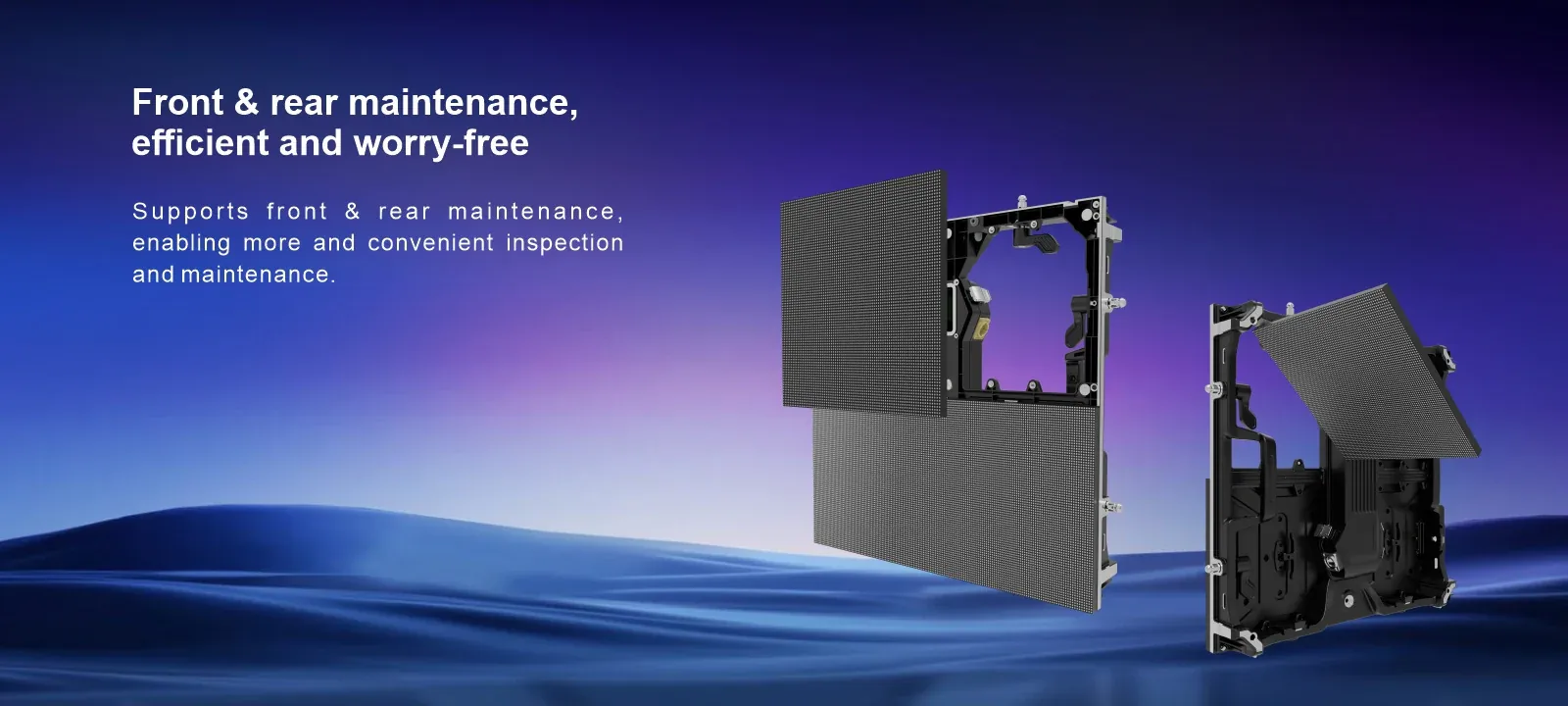
IMD sits in between these two approaches. It improves structural durability without sacrificing too much serviceability, which is why many modern rental solutions, such as the RC Series and RAS Series, are designed around modular flexibility for different event scales and installation requirements.
Overall, the choice between SMD, COB, and IMD is no longer just a technical comparison—it is a practical decision based on how frequently the LED system is deployed and how critical reliability is in live production environments.
What Are Rental LED Screens Used For?
Because of the frequent installation and transport cycles mentioned earlier, a rental LED display is mainly used in temporary events where flexibility and quick setup are essential.
Typical applications include:
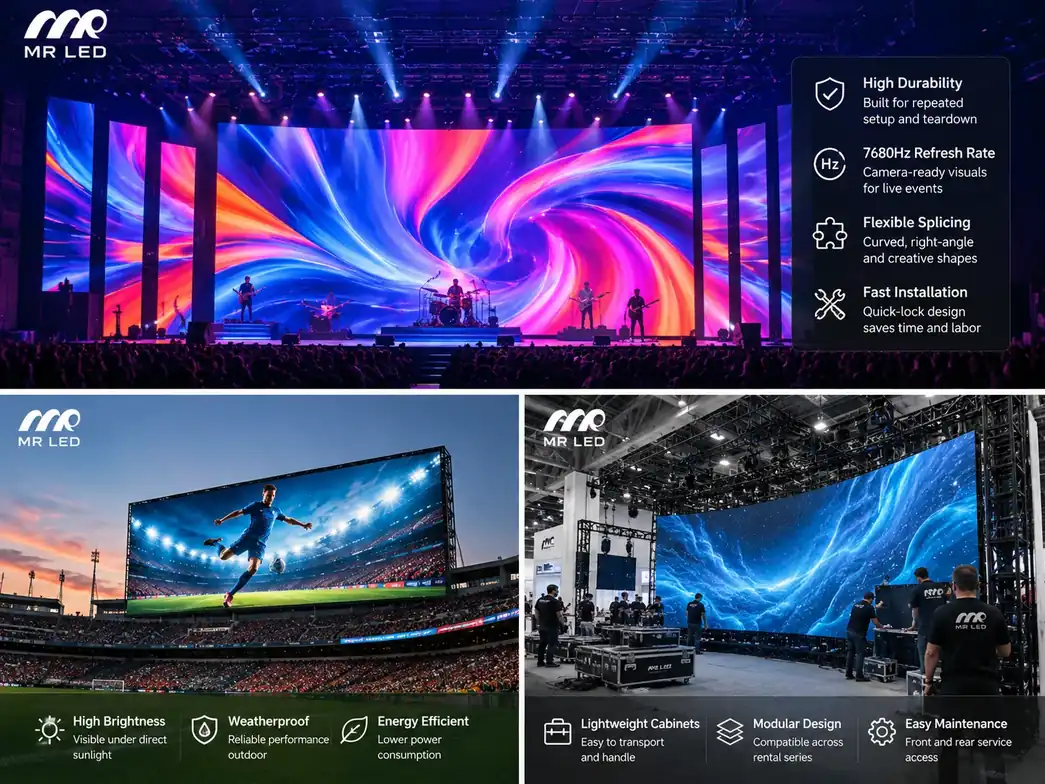
· Large-scale concerts and live music events using an LED screen for concert setups
· Trade shows and corporate exhibitions
· Corporate presentations and product launches
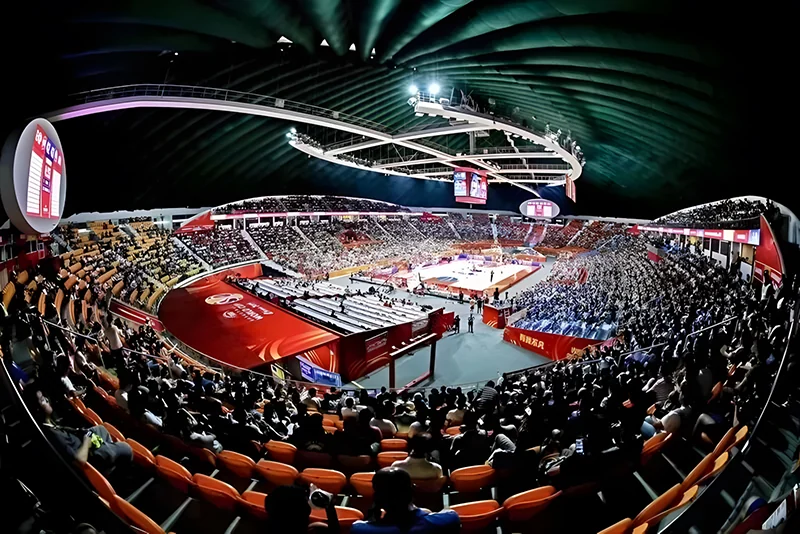
· Sports events and stadium environments
· Outdoor festivals and cultural performances
· Retail campaigns and temporary advertising installations
In most cases, these scenarios rely heavily on fast deployment and stable performance, especially when using a stage LED screen in live production environments.
Recommended Rental LED Solution: RP Series
When a rental LED display is used in high-frequency environments like concerts and touring events, the key requirement is not only visual performance, but also long-term structural stability under repeated installation and transport.
This is where purpose-built rental systems become important.
The RP Series rental LED display is designed specifically for these demanding conditions, combining durability-focused engineering with high-performance visual output.
· IMD 2-in-1 LED technology for superior durability and reduced pixel damage
· 7680Hz high refresh rate LED screen for camera-friendly, flicker-free performance
· Enhanced structural strength with up to 400% improvement in lamp pin durability
· Anti-collision design to minimize damage during frequent transport and handling
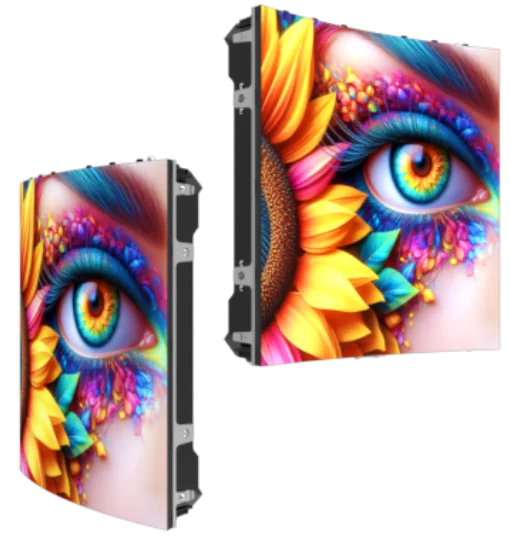
· Flexible angle adjustment from -5° to +10° for curved and creative stage LED screen setups
View product details: RP Series rental LED display.
In addition to the RP Series, other modular rental solutions such as the RC Series and RAS Series are also used for different event scales and installation requirements.
Conclusion
Rental LED displays are no longer defined by resolution alone, but by durability, efficiency, and reliability. As rental demand grows, the IMD 2-in-1 LED screen is becoming the new standard for stable performance.
For concerts and touring projects, the MR LED RP Series offers a reliable solution—contact us to start your next project with us.