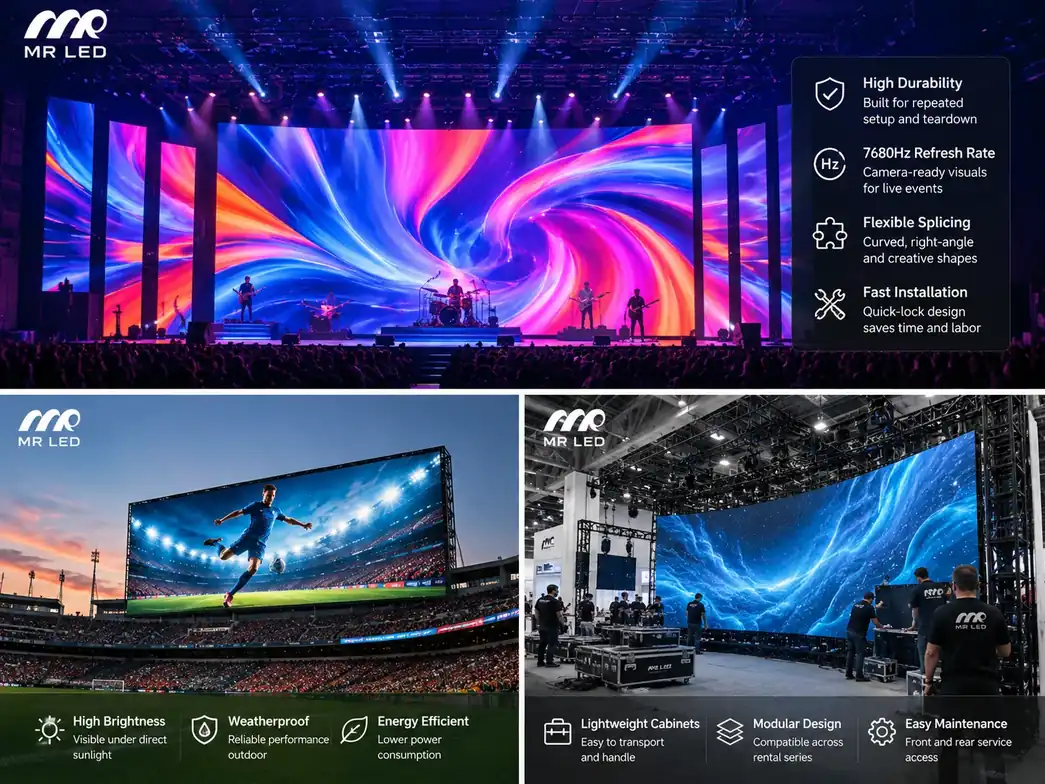
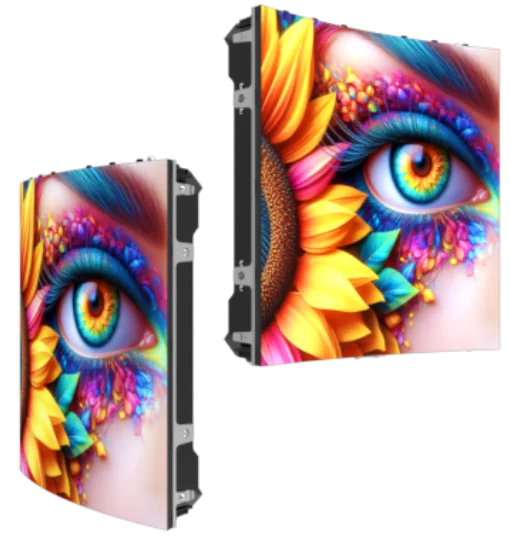
Fine-pitch LED technology is changing how businesses use display screens in corporate, retail, transportation, broadcast, and public information environments. As viewing distances become shorter and content becomes more detailed, buyers need to evaluate pixel pitch together with contrast, grayscale, calibration, protection, and maintenance access.
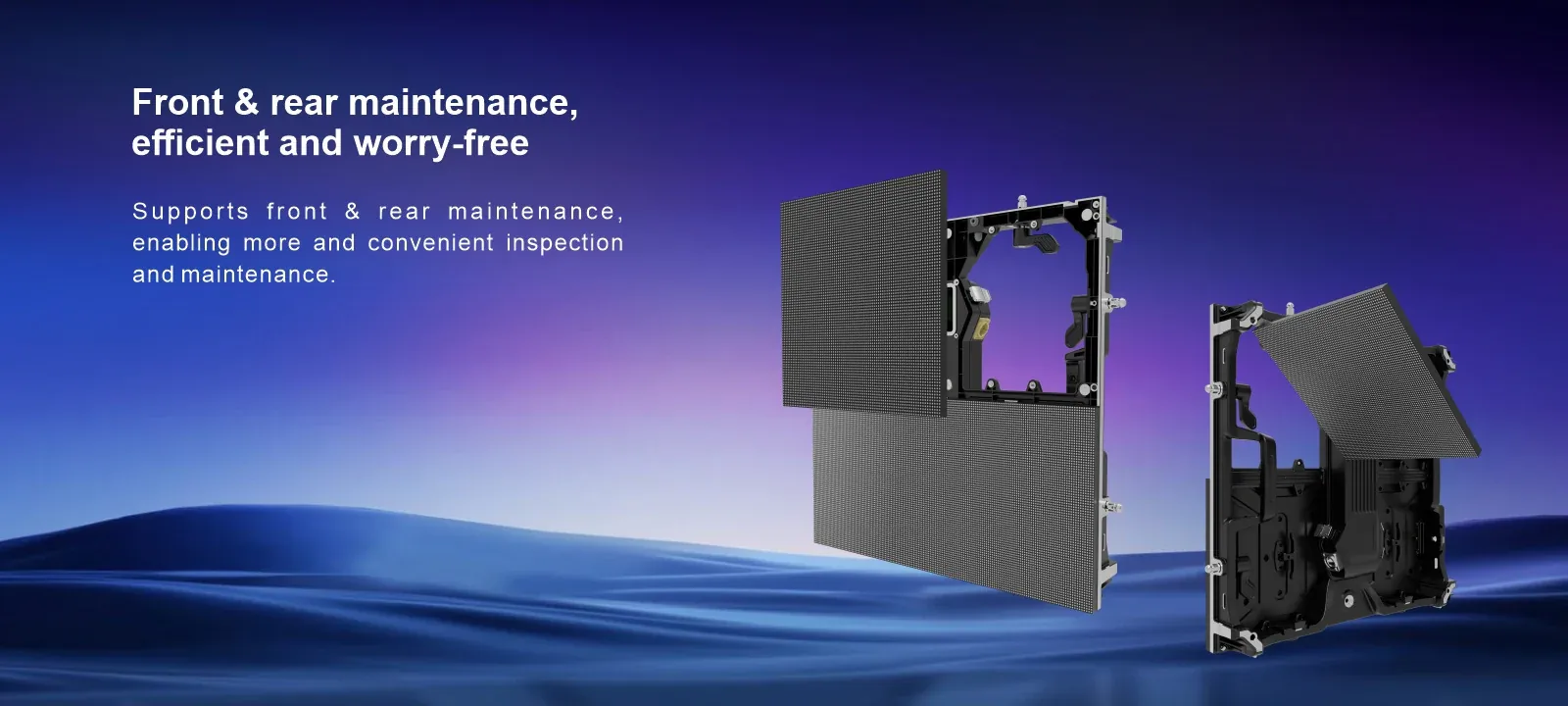
A smaller pixel pitch increases resolution, but it also increases heat density, calibration difficulty, and the visibility of defects. For indoor professional applications, MR LED’s UHD and UV Series support high-resolution display through COB or MIP-related technologies, calibration processes, and front maintenance. For outdoor close-view applications, FS-QQ provides P1.25, P1.56, and P1.95 options with high contrast and outdoor protection.
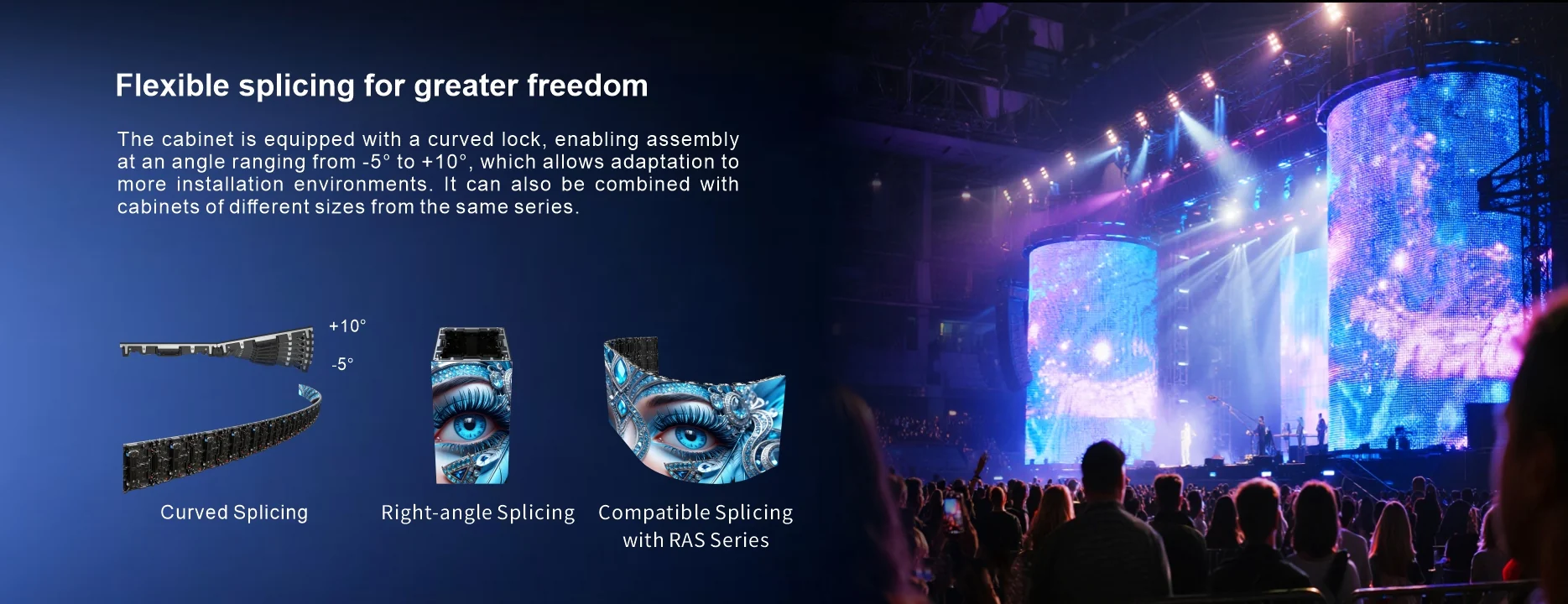
Indoor fine-pitch screens are commonly used in control rooms, conference rooms, broadcast spaces, and premium showrooms. They require low reflection, image uniformity, quiet operation, and long-duration stability. Outdoor fine-pitch screens face sunlight, rain, heat, and dust, so waterproofing and thermal management become equally important. FS-QQ addresses this through flip-chip LED technology, fanless heat dissipation, IP65 protection, and front or rear maintenance.
Buyers should not select fine pitch only by pixel pitch number. They should also consider viewing distance, content type, installation structure, brightness, grayscale, contrast, calibration, and service method. A fine-pitch LED display screen should be matched to the operating environment, not chosen only for the highest resolution on paper.
Fine-pitch LED display screens provide stronger visual detail when engineered correctly. MR LED supports both indoor professional fine-pitch applications and outdoor fine-pitch fixed installations, helping buyers select a product based on real viewing conditions and long-term reliability.